Common upholstery cleaning mistakes Harringay landlords make
Posted on 08/07/2026
If you rent property in Harringay, upholstery rarely gets the same attention as carpets, but it should. Sofas, dining chairs, headboards, and office-style seating all collect dust, body oils, drink spills, pet dander, and the odd mystery mark that seems to appear overnight. The problem is that many landlords only notice the mess when a tenancy is ending, a new tenant is due, or an inspection is looming. That is exactly when the common upholstery cleaning mistakes Harringay landlords make become expensive, awkward, and avoidable.
This guide breaks down what usually goes wrong, why it matters in real-world letting, and how to clean or organise upholstery care without damaging fabrics or wasting time. You will also find a practical checklist, a comparison of common methods, and a realistic example of how a small mistake can snowball. Truth be told, this is one of those property jobs that looks simple until it isn't.
For landlords juggling multiple tasks, it can help to think of upholstery cleaning as part of a wider property care routine rather than a last-minute fix. If you are planning broader maintenance or a full refresh, our deep cleaning service in Harringay and end of tenancy cleaning support may also be useful alongside upholstery care.

Why Common upholstery cleaning mistakes Harringay landlords make Matters
Upholstery is one of those things tenants notice immediately, even if they don't say so out loud. A sofa that looks grubby, smells faintly stale, or still shows a ring mark from the last occupant can make a rental feel neglected. In a busy London market like Harringay, where people often move quickly and compare properties side by side, presentation matters more than landlords sometimes admit.
The mistakes matter for several reasons. First, they can shorten the life of the furniture. Over-wetting a fabric suite, using the wrong detergent, or scrubbing aggressively can weaken fibres, distort cushioning, and create permanent water rings. Second, they can create a poor tenant handover. A clean property gives a steadier first impression, and that can reduce complaints before move-in. Third, they can make routine maintenance more costly later. A small stain dealt with properly today is usually easier and cheaper than a full restoration job next quarter.
There is also a trust issue. If a landlord advertises a well-kept property but the soft furnishings are obviously tired, tenants may feel the rest of the home has been dressed up on the cheap. To be fair, that is not always fair on the landlord. But it is how people experience the space.
For landlords who manage multiple units, the same principles apply whether the property is a compact flat near Green Lanes or a larger family home. A consistent cleaning standard protects both the asset and the reputation behind it.
How Common upholstery cleaning mistakes Harringay landlords make Works
Upholstery cleaning works by lifting soil from fabric or leather without pushing moisture, residue, or heat too far into the material. That sounds straightforward, but the method has to match the material. A velvet chair, a synthetic rental sofa, and a leather armrest all behave differently. The surface may look similar from across the room, but the cleaning approach should not be the same. Not even close, really.
Most problems start with one of three assumptions: that all fabrics can be cleaned the same way, that stronger chemicals mean better results, or that upholstery dries itself quickly enough to ignore. In practice, overuse of water can lead to odours, shrinkage, dye movement, or a damp patch that takes ages to disappear. Harsh agitation can flatten the pile or make a stain spread wider. And leftover detergent can attract new dirt faster than before.
The process usually involves identification, pre-treatment, gentle cleaning, controlled extraction or wiping, and proper drying. Landlords who skip the identification stage are the ones most likely to cause trouble. If you do not know whether the fabric is colourfast, delicate, or specially treated, testing a hidden spot is a wise move. A tiny patch test can save a costly replacement later.
In real life, upholstery cleaning also works best when it is part of a bigger property routine. If you are already arranging a spring refresh, it makes sense to combine soft furnishing care with other tasks through services like spring cleaning in Harringay or a broader services overview so nothing gets missed.
Key Benefits and Practical Advantages
Done properly, upholstery cleaning gives landlords more than a neat-looking room. It supports the wider letting process in a few very practical ways.
- Better first impressions: tenants are less likely to focus on wear and tear when the furniture looks cared for.
- Reduced complaint risk: clean seating and soft furnishings can stop avoidable move-in disputes.
- Longer furniture life: fabrics that are cleaned gently and regularly tend to last longer than neglected pieces.
- Stronger deposit handover position: if a tenancy ends and there is visible staining or damage, you will want a clearer record of what was there before.
- Less lingering odour: odours in upholstery can make a room feel stale even when everything else looks tidy.
- More efficient void periods: a quick, well-planned clean helps you prepare the property without a last-minute scramble.
There is another quieter benefit: confidence. Landlords who have a simple process for upholstery care usually make better decisions overall. They are less likely to overclean, less likely to guess, and more likely to budget sensibly. That calm approach tends to show in the property too.
Expert summary: the best upholstery cleaning outcome usually comes from matching the method to the fabric, testing before treating, drying thoroughly, and avoiding overconfidence with strong chemicals.
Who This Is For and When It Makes Sense
This guide is for landlords, letting agents, property managers, and accidental landlords who are responsible for furnished or part-furnished homes in Harringay. It is especially useful if you have properties with sofas, armchairs, upholstered dining chairs, fabric headboards, ottomans, or office-style seating that tenants use daily.
It makes sense to pay close attention to upholstery cleaning when:
- a tenancy is ending and you want the property presentable for inspections
- a new tenant is moving in after a short void period
- a spill has happened and you want to stop it becoming a permanent stain
- you have inherited furniture from a previous landlord or owner
- the property smells musty after being closed up for a while
- you manage shared or high-traffic rental homes where wear builds up quickly
It also matters if you are selling or preparing to market a rental property. Upholstered furniture does influence how a room photographs. If you are dealing with wider property presentation, you may find useful context in how to sell a home in Harringay and real estate tips for Harringay buyers.
Step-by-Step Guidance
If you want to avoid the usual mistakes, keep the cleaning process simple and disciplined. Here is a practical approach that works well in rental properties.
- Identify the material first. Check the label, manufacturer guidance, or visible fibre type if available. If you are unsure, treat it as delicate.
- Vacuum thoroughly. Use an upholstery tool to remove loose grit, crumbs, hair, and dust from seams and folds. This step matters more than people think.
- Test a hidden area. Try a tiny amount of cleaner in a low-visibility place. Wait for drying before you judge the result.
- Blot, don't attack. For fresh spills, use clean cloths and gentle pressure. Scrubbing usually spreads the problem.
- Apply the lightest effective cleaning method. That may be a dry foam, a mild fabric-safe cleaner, or a professional extraction approach depending on the material.
- Work in sections. Keep the area controlled so you do not over-wet the furniture or create patchy drying marks.
- Remove residue properly. If a product needs rinsing or extraction, do not leave it sitting in the fabric.
- Dry with airflow. Open windows where practical, use fans if appropriate, and avoid putting tenants back onto damp upholstery too soon.
- Inspect under good light. Morning daylight or a bright indoor lamp will show what the room lighting hides.
That last point sounds minor, but it saves a lot of awkwardness. A chair can look fine at dusk and still show a pale water ring the next morning. Been there, seen that, not ideal.
If the furniture is badly marked or the material is sensitive, it may be wiser to arrange help from a local upholstery specialist. A good starting point is our upholstery cleaning in Harringay page, especially if you want a more controlled approach.
Expert Tips for Better Results
Landlords do not need specialist training to avoid the worst upholstery errors, but they do need a bit of judgement. Here are the habits that make the biggest difference.
- Always check colour stability. If a cloth picks up dye, stop immediately. Do not push on and hope for the best.
- Use less product than you think. Too much cleaner often leaves residue, and residue is a dirt magnet.
- Pay attention to seams and arms. These areas collect the most oils and grime because people rest hands and elbows there.
- Clean around the stain, not just the stain. Otherwise you can leave a halo effect that looks worse than the original mark.
- Drying is part of the clean. If the fabric is still damp, the job is not finished.
- Document before and after. A few timestamped photos can help with handovers and disputes.
- Be cautious with leather. Leather needs a different method from fabric, and household sprays are often a poor choice.
One small but useful habit: keep a simple note of what was cleaned, when, and by what method. It sounds a bit dull, I know, but when you manage several tenancies, that paper trail is gold. Or at least helpful enough to stop arguments later.
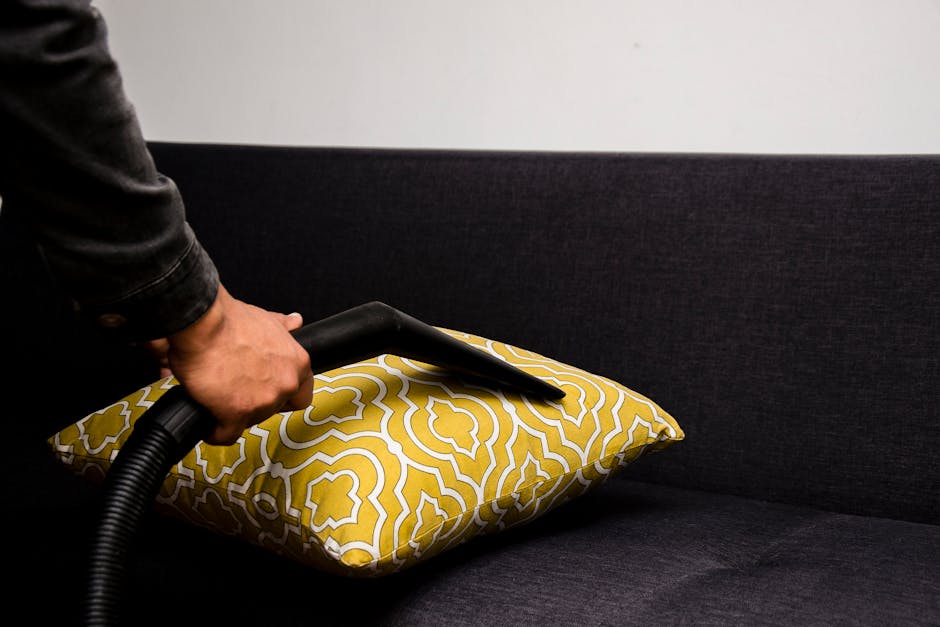
Common Mistakes to Avoid
Here is the heart of it. These are the errors that tend to cost Harringay landlords time, money, or goodwill.
1. Using the wrong cleaner for the fabric
This is the big one. A product that works on one sofa can wreck another. Strong all-purpose cleaners, bleach-heavy mixes, or random DIY recipes can discolour fabric or leave sticky residue. If the upholstery label is missing, proceed as though the material is fragile.
2. Over-wetting the furniture
Soaking upholstery is a classic mistake. Water can travel beyond the visible stain and carry dissolved dirt with it, which then resurfaces as a ring. Excess moisture can also lead to smell, mould risk, or mould-like odours that tenants complain about quickly.
3. Scrubbing too hard
It is tempting, especially when you are frustrated by a stubborn mark. But aggressive scrubbing can damage fibres, roughen the surface, and spread stains into a larger area. Gentle pressure usually wins.
4. Ignoring hidden testing
Skipping a patch test because "it should be fine" is how small jobs turn into replacements. A hidden test takes minutes. Replacement furniture takes money and paperwork.
5. Leaving cleaning too late
Stains are easier to remove when they are fresh. Letting a spill sit through a tenancy or a winter void period gives it time to set. By the time you get round to it, you are often dealing with a more stubborn mark and a less forgiving fabric.
6. Using too much fragrance to cover odour
Freshener sprays can mask a smell for an hour or two, but they do not remove the cause. In rental properties, that usually means the underlying issue remains, only now the room smells like detergent and old damp. Not ideal.
7. Forgetting about drying time
Placing cushions back too early, closing the room up, or sending tenants in while the upholstery is still damp can undo good work. Ventilation matters. A lot.
8. Treating all staining as a cleaning issue
Some marks are wear, not dirt. Faded fabric, heat damage, and fibre distortion will not respond to cleaning in the same way as a food spill. Knowing the difference saves wasted effort and unrealistic promises.
9. Not matching the task to the tenancy timeline
A property being cleaned for new occupancy may need a faster turnaround than a house being refurbished between long lets. The approach should match the schedule. If timing is tight, same-day or short-notice guidance from articles like same-day stain removal issues for Harringay homes can help you think through what is realistic.
10. Assuming every cleaning issue is the same
Upholstery, carpets, mattresses, and curtains all behave differently. What works on a carpet may be wrong for a sofa arm. For related material-specific questions, see what to know before booking Harringay mattress cleaning and Wightman Road upholstery cleaning services in Harringay.
Tools, Resources and Recommendations
You do not need a van full of equipment to avoid most upholstery cleaning problems. A focused kit is often enough.
- an upholstery brush attachment for vacuuming
- microfibre cloths in a few clean stacks
- a bucket of plain water for controlled blotting when appropriate
- a fabric-safe cleaner suitable for the material type
- white towels for absorbing moisture
- a fan or a way to improve airflow
- gloves for products that may irritate skin
For many landlords, the best resource is not equipment but process. Create a repeatable routine for every check-out or void period. That way you are not inventing the wheel each time. If you want to compare broader cleaning options, the services overview can help you think through where upholstery sits alongside general property cleaning.
If you are managing a particularly busy or furnished rental, you may also want to coordinate upholstery care with carpet, deep, or one-off cleaning. Those services often work best together rather than in isolation.
Law, Compliance, Standards, or Best Practice
Upholstery cleaning itself is not usually the subject of a single legal rule, but landlords still need to think about safety, fairness, and evidence. In the UK, furnished rentals should be handed over in a condition that matches the agreement and the property's prior standard. The details vary by tenancy, inventory, and contract wording, so it is sensible to be careful rather than casual.
Best practice usually includes:
- keeping an inventory or condition record
- taking photos before and after cleaning
- using products safely and following label instructions
- allowing upholstery to dry fully before occupation
- avoiding damage that could create a health or nuisance issue for tenants
From a practical standpoint, safety matters as much as appearance. Wet furniture, harsh fumes, or leftover detergent are all problems if a tenant moves in too soon. If you are using professional help, it is wise to choose a provider that takes health and safety seriously. You can review a company's approach through pages like health and safety policy, insurance and safety information, and terms and conditions.
That may sound like admin, but it is really risk management. And landlords already have enough of that, don't they?
Options, Methods, or Comparison Table
Different upholstery cleaning methods suit different situations. Here is a simple comparison to help landlords decide what is sensible.
| Method | Best for | Pros | Watch-outs |
|---|---|---|---|
| Vacuuming and dry maintenance | Routine upkeep between tenants | Fast, low risk, removes dust and crumbs | Won't remove stains or odours on its own |
| Spot cleaning with fabric-safe product | Small fresh stains | Useful for targeted issues, quick turnaround | Can spread stains if overused or rubbed in |
| Foam or low-moisture cleaning | General fabric refresh | Less saturation than heavy wet cleaning | Still needs testing and careful drying |
| Hot water extraction by a trained cleaner | Heavily used upholstery, larger jobs | Deep removal of soil and residues | Not suitable for every fabric; drying time matters |
| Professional leather treatment | Leather seating | Safer for a material that needs specialist care | Household sprays can cause damage |
For many landlords, the choice comes down to how visible the wear is, how delicate the fabric appears, and how quickly the property needs to be ready again. If the answer is "soon, and I'm not sure what this fabric is," that is usually a sign to slow down and get advice.
Case Study or Real-World Example
A landlord in Harringay inherited a furnished flat after a long-term tenancy. The sofa had a pale coffee mark on one arm, some general dullness across the seat cushions, and a faint smell that was strongest in the evening when the windows had been shut all day. The landlord, wanting a quick win before viewings, used a strong household cleaner and scrubbed the mark with a sponge.
The result? The stain lightened a little, but the area around it became a wider pale patch. Once it dried, the arm had a sharp edge to the cleaned area, and the fabric looked uneven in daylight. The smell improved for an hour or so, then returned because the underlying moisture had not been dealt with properly. A simple job turned into a more complicated one because the cleaner and method were wrong for the material.
What would have helped more?
- a patch test on a hidden section
- blotting the spill rather than scrubbing
- a low-moisture, fabric-appropriate treatment
- good airflow and enough drying time
- taking a photo record before any treatment began
It is a small example, but it captures the bigger point. The mistake was not lack of effort. It was the wrong kind of effort.
Practical Checklist
Use this checklist before you clean upholstery in a rented property.
- Check whether the furniture is fabric, leather, or a mixed material.
- Look for care labels or any existing cleaning notes.
- Vacuum seams, cushions, armrests, and the back of the furniture.
- Test any product on a hidden spot first.
- Use the smallest amount of moisture needed.
- Blot stains instead of scrubbing them.
- Keep products away from delicate trims or decorative stitching unless they are suitable.
- Allow for full drying before tenant access.
- Photograph the result in daylight if possible.
- Record what was cleaned and when.
- Stop if the fabric changes colour, texture, or smell in a worrying way.
- Arrange professional help if the item is valuable, delicate, or heavily marked.
If you are preparing several rooms at once, a coordinated approach is often easier. Many landlords combine upholstery work with one-off cleaning in Harringay or regular domestic cleaning support to keep the whole property moving in the same direction.
Conclusion
The common upholstery cleaning mistakes Harringay landlords make usually come down to speed, guesswork, or trying to force a result that the fabric simply will not tolerate. If you slow the job down, test first, avoid over-wetting, and respect the material, you will get a much better outcome with far less stress.
For landlords, this is not just about keeping a sofa looking nice. It is about protecting the asset, smoothing the handover process, and giving tenants a property that feels cared for from the moment they step inside. That calm, tidy first impression still matters. Probably more than we'd like to admit.
If you want help deciding the right next step, whether that means a deeper clean, a one-off refresh, or a broader property clean, you can explore the relevant service pages or use the contact options on the site when you are ready.
Get a free quote today and see how much you can save.