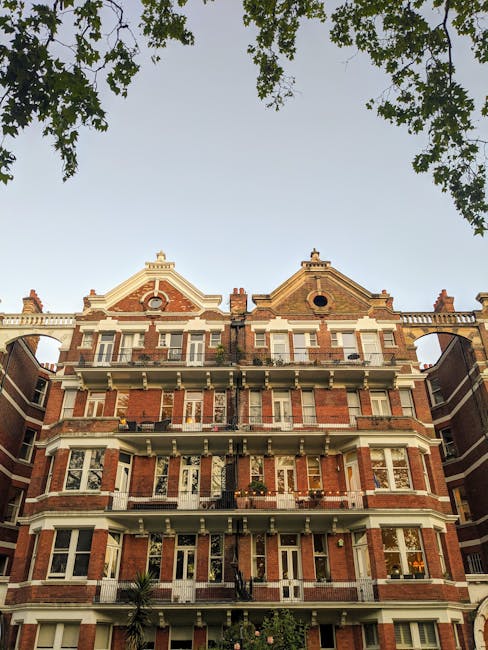
Haringey Council cleaning permits for Harringay landlords
Posted on 22/10/2026
Haringey Council cleaning permits for Harringay landlords: a practical guide
If you manage rental property in Harringay, cleaning jobs can become more complicated than they first look. A quick deep clean after a tenancy, a bulky clear-out before refurb, or a skip on the street can all bring different rules into play. That is where Haringey Council cleaning permits for Harringay landlords become relevant. The phrase sounds narrow, but in practice it covers a wider set of permissions, responsibilities, and common-sense steps that help you keep work legal, tidy, and on schedule.
This guide breaks the topic down in plain English. You will learn when a permit may be needed, how the process usually works, what landlords often overlook, and how to plan a clean without awkward delays. If you are also trying to line up a tenancy changeover, it can help to read our notes on end-of-tenancy cleaning in Haringay Ladder and our broader end of tenancy cleaning service in Harringay for context. Different jobs, same headache sometimes.

Why Haringey Council cleaning permits for Harringay landlords Matters
For landlords, cleaning is not just about making a flat look decent again. It can involve access, waste removal, parking, skips, temporary obstructions, and the safety of anyone carrying out the work. In a place like Harringay, where streets can be busy and parking can be tight, even a simple job can create friction if it is not planned properly.
A permit may matter for one of three reasons. First, the work may affect the public highway, such as placing a skip or loading materials outside the property. Second, the cleaning may involve waste that has to be stored or moved safely. Third, there may be a local enforcement issue if the property, contractor, or waste handling is not arranged in line with council expectations.
Let's face it: most landlords do not wake up excited about permits. They just want the property ready. But the permit side matters because a missed detail can cause a knock-on effect. One small delay on a Monday morning and suddenly the cleaner cannot start, the decorator cannot follow, and the new tenant is left waiting with bags by the door. Not ideal.
There is also a trust angle. Tenants, managing agents, and neighbours notice when a landlord runs a property properly. A tidy, lawful clean reads as competence. A chaotic one can look like corner-cutting, even when the intention was perfectly reasonable.
If you are mapping out a wider property handover, it can also be useful to look at how the area itself shapes landlord expectations. Our article on why Harringay is a good place to call home gives helpful local context, especially if you manage homes near busier roads or tighter residential streets.
How Haringey Council cleaning permits for Harringay landlords Works
There is no single "cleaning permit" that applies to every situation. In reality, landlords usually deal with one of several permission or compliance scenarios depending on the type of work.
Common situations that may trigger a permit or approval
- Using a skip or other container on the public road
- Temporarily blocking part of a pavement or shared access route
- Arranging waste removal from a property with no suitable private storage
- Using contractors whose vehicles may need special loading access
- Carrying out a deep clean linked to refurbishment, void turnaround, or clearance work
Some jobs need formal permission, while others simply need sensible planning and proper contractor conduct. That distinction matters. A landlord can sometimes assume the cleaner "handles all that", but if the work affects the property or the street, the responsibility can still sit with the person organising it.
In practical terms, the process usually works like this: identify what the clean involves, decide whether any waste, access, or street use is involved, check what the council expects, then arrange the work with enough lead time. Nothing glamorous. Just the boring bit that saves you from the unpleasant bit later.
For example, a standard internal clean after a tenant leaves may only need scheduling and a proper cleaning specification. But if the flat has bulky rubbish, a broken sofa, or a temporary skip outside, the setup may become more formal. That is the kind of difference landlords sometimes miss.
If you are also dealing with heavy waste or post-tenancy clutter, our guide to Haringey Council cleaning waste rules is a useful companion read. Different audience, same principle: understand the rules before the van turns up.
Key Benefits and Practical Advantages
Getting the permit or approval side right is not just about avoiding trouble. It can make the whole turnaround smoother.
- Fewer delays: work starts when planned, not after a last-minute scramble.
- Lower risk of complaints: neighbours are less likely to object to blocked access or mess.
- Cleaner handovers: the property can move from vacated to market-ready more efficiently.
- Better contractor coordination: cleaners, waste teams, and decorators can work in sequence rather than tripping over each other.
- More professional landlord operations: tenants and agents see a well-run process.
There is also a cost benefit, though not always in the obvious way. A small admin step now can prevent paying twice later because the first clean could not be completed, or waste had to be moved off-site and back again. That happens more than people think.
And when a property is near a busy corridor such as Green Lanes or close to Turnpike Lane, a bit of planning goes a long way. Loading bays, parking pressure, and tight access can all affect how a cleaning job unfolds. If your property needs a more intensive treatment beforehand, our deep cleaning in Harringay page explains the sort of work that often sits alongside a compliant clean.
Who This Is For and When It Makes Sense
This topic is most relevant to landlords who own or manage:
- single lets and HMOs in Harringay
- period flats where access is tight
- properties undergoing a void turnaround
- homes with significant post-tenancy cleaning needs
- lets that require skip hire, bulky waste removal, or temporary access arrangements
It also matters if you use contractors rather than doing everything yourself. Once more than one party is involved, assumptions creep in. The cleaner thinks the landlord sorted parking. The landlord thinks the agent sorted the waste. The agent thinks the contractor is handling the permit. You can probably see where this is going.
It makes sense to pay attention when the job includes more than a standard vacuum-and-wipe-down. Think damp patches, furniture removal, mattress disposal, oven grime, carpet stains, or a flat that has been empty for a while and needs a proper reset. For those situations, it may help to line up carpet cleaning in Harringay, upholstery care, or a one-off clean, depending on the condition of the property.
If you are dealing with a newer tenancy or a move-in, you might also find our article on real estate tips for Harringay buyers useful in a broader property-planning sense. Not the same issue, but the same local market rhythm.
Step-by-Step Guidance
Here is a straightforward way to handle Haringey Council cleaning permits for Harringay landlords without overcomplicating it.
- Define the scope of the cleaning job. Is it routine internal cleaning, end-of-tenancy, clearance, or a deep clean before refurbishment?
- Check whether waste or street access is involved. A job inside the property may need nothing extra. Anything on the road or pavement is different.
- Confirm who is responsible. Decide whether the landlord, managing agent, or contractor will arrange any required permission.
- Build the clean around access constraints. Think parking, timings, lift access, neighbour disruption, and loading space.
- Use a written cleaning brief. Spell out what should be cleaned, removed, protected, or reported back.
- Schedule the work in the right order. Waste clearance first, then deep clean, then final inspection usually works better than doing it the other way round.
- Photograph before and after. Useful for disputes, but also for your own records.
- Leave time for a final snag check. Smells, streaks, carpet marks, and missed corners often show up only at the end.
A lot of landlords try to compress everything into a single afternoon. Sometimes that works. Often it doesn't. A better plan is to treat cleaning as part of the handover workflow, not a last-minute add-on.
If the property is especially worn, you may need a combination of services. Our services overview gives a clearer view of the types of support that can fit together, while one-off cleaning in Harringay can be useful when you need a single, focused visit rather than an ongoing arrangement.
Expert Tips for Better Results
There are a few habits that make a big difference here, and most of them are simple.
1. Start with the access question, not the cleaning question. If a van cannot stop nearby or a skip cannot be positioned safely, the rest of the plan may need changing. Always easier to adjust the plan on paper than on a wet Tuesday morning with no parking.
2. Separate internal cleaning from waste handling. They are related, but not the same. A cleaner can make a property spotless and still not be the right party to deal with bulky waste or street placement.
3. Keep a "void turnaround" checklist. When the last tenant has gone, it is easy to overlook deodorising, mattress treatment, or hidden stains until the final 15 minutes. A checklist saves mental clutter.
4. Use consistent standards. If you own multiple properties, apply the same expectations to all of them. Tenants notice when one flat is handed over carefully and another feels rushed.
5. Don't leave cleaning until after maintenance if the job is messy. In many cases, the better sequence is clear out, repair, clean, then inspect. Otherwise fresh dust lands on freshly cleaned surfaces. Annoying, really.
For stubborn marks and fabric surfaces, you may also want to think about specialist treatment. Our local guides on same-day stain removal and common upholstery cleaning mistakes landlords make are worth a look if your property has seen a bit of wear and tear.

Common Mistakes to Avoid
Most problems happen not because landlords ignore the rules, but because they assume someone else has handled them. That assumption is expensive.
- Assuming any street use is automatically fine. It may not be.
- Booking the clean before checking access. Cleaners arrive, but cannot park or unload properly.
- Mixing clearance, cleaning, and disposal into one vague brief. Everyone ends up guessing.
- Leaving permits or approvals until the day before. That is how small jobs become stressed jobs.
- Forgetting neighbours. Noise, dust, and blocked access create complaints faster than most people expect.
- Not checking the final finish. A "done" property can still have smells, residue, or missed areas.
A slightly awkward truth: a clean property is only as good as the handover around it. If you do not manage the administrative side, the visual side can suffer. And once a tenant notices one thing off, they tend to notice a few more. Human nature, I suppose.
Tools, Resources and Recommendations
You do not need a complicated system to stay organised. A few basic tools are enough.
- A written cleaning scope: list rooms, surfaces, appliances, fixtures, and any exclusions.
- A photo record: before the job, after the job, and after any repairs.
- A key handover log: useful if multiple people access the property.
- A contractor checklist: useful for cleaners, decorators, or agents.
- A waste plan: where items go, who removes them, and what needs permission.
For landlords who want a more thorough reset, services like spring cleaning in Harringay can be helpful when a property needs a fuller seasonal or post-tenancy refresh. If you need to compare options, the pricing and quotes page can also help you think through budget and scope in a more structured way.
And if you prefer to speak to someone before booking, contact the team or use the quote request form to outline the job. Sometimes a short conversation clears up more than a long email thread. Strange, but true.
Law, Compliance, Standards, or Best Practice
Because this topic touches permits, waste, access, and property management, it is wise to treat compliance carefully. The exact council requirement depends on the nature of the work, and landlords should not assume that one arrangement covers all jobs. In UK property practice, the safest approach is to check whether any action affects the highway, creates waste issues, or changes how the property can be accessed safely.
Best practice usually means:
- planning ahead rather than reacting late
- keeping records of decisions and approvals
- using insured and appropriately experienced contractors
- making sure waste is handled responsibly
- avoiding obstruction to neighbours, pedestrians, or emergency access
It is also sensible to build in general safety standards. For example, if cleaners are using equipment, chemicals, or wet processes, then good ventilation, clear signage, and safe working methods matter. If you want to understand the approach a professional operator should take, our health and safety policy and insurance and safety information provide reassuring background on the sort of controls a responsible service should have in place.
There is no need to overstate things. Many internal cleaning jobs are straightforward. But when permits, waste, or shared access enter the picture, the standard should move up a level. That is just good landlord practice.
Options, Methods, or Comparison Table
Landlords usually choose between a few practical approaches. The right one depends on the size of the job, the level of mess, and whether external access is involved.
| Approach | Best for | Pros | Watch-outs |
|---|---|---|---|
| Routine internal clean | Light-to-moderate tenancy turnover | Fast, simple, low disruption | May not address waste or deep stains |
| Deep clean with extras | Voids, worn properties, or pre-let refresh | Better finish, stronger presentation | Needs more coordination and time |
| Clean plus clearance | Bulky items, clutter, or abandoned belongings | Resets the property more fully | May trigger permit or waste planning |
| Staged contractor plan | Repairs, decorating, and final clean | Useful for bigger works | Requires tighter scheduling |
For many Harringay landlords, the sweet spot is a staged plan. Clear first, repair second, clean last. It is not flashy, but it works. When properties need fabric or floor care as part of the process, it can help to combine the clean with relevant support such as upholstery cleaning in Harringay or carpet care rather than trying to patch everything together in a hurry.
Case Study or Real-World Example
Here is a realistic scenario from the kind of work landlords often face.
A landlord in Harringay is preparing a two-bedroom flat for new tenants after a long occupation. The flat needs a deep clean, the carpets have a couple of stubborn marks, and there is bulky waste left behind in the hallway and a broken chair that needs removing. The property is on a street where parking is already tight by mid-morning. The landlord also wants the work done before the weekend viewing.
If they start by booking the clean without checking access, the team may arrive and lose time unloading. If they assume the waste can just be left outside, neighbours may complain. If they forget the sequence, cleaning happens before clearance and the fresh work gets marked up again. Bit of a mess, really.
The better approach is simple: define the scope, confirm what needs removing, check whether any street placement is required, and schedule the clean after clearance and any repairs. The landlord then finishes with a final inspection, photos, and a short report for the file. The flat ends up presentable, the tenants move in smoothly, and there is no awkward "we need another visit" call three days later.
That's the kind of boring success that matters. Not glamorous, just effective.
Practical Checklist
Use this before you book or approve a cleaning job.
- Confirm what type of clean is needed
- Check whether waste or bulky items are involved
- Decide whether any street access, skip, or loading arrangement is needed
- Assign responsibility for permissions and coordination
- Set the work order: clearance, repair, clean, inspect
- Prepare a written brief for the contractor
- Take before photos
- Arrange key handover and site access
- Build in time for a final snag check
- Keep records of approvals, invoices, and completion notes
Expert summary: the cleaner the process, the easier the property handover. When landlords treat permits, access, and cleaning as one joined-up task, they avoid most of the stress that usually surrounds void periods. Simple, but worth saying twice.
Conclusion
Haringey Council cleaning permits for Harringay landlords are really about planning, responsibility, and avoiding preventable disruption. Some jobs need formal permission; others need smart coordination and a clear understanding of access, waste, and safety. The key is not to guess. Identify the work, check the moving parts, and organise the clean properly from the start.
For landlords in Harringay, that extra care pays off in fewer delays, better presentation, and less back-and-forth with contractors or neighbours. And in a market where first impressions count, that is no small thing.
If you are preparing a flat, managing a void, or just want a cleaner, more predictable handover process, take the time to plan it properly. A little structure now can save a lot of hassle later, and that is usually the best kind of landlord win.
Get a free quote today and see how much you can save.