Wightman Road upholstery cleaning services Harringay
Posted on 09/05/2026
Wightman Road upholstery cleaning services Harringay: a practical local guide
If you live or work near Wightman Road, you already know how quickly sofas, armchairs, dining chairs, and office seating can pick up everyday wear. Mud from a wet London footpath, crumbs after a family film night, a coffee splash during the morning rush, or just the slow build-up of dust can leave upholstery looking tired long before the furniture itself is actually worn out. That is where Wightman Road upholstery cleaning services Harringay come in. Done properly, upholstery cleaning refreshes fabric, reduces odours, helps protect fibres, and gives a room that cleaner, lighter feel people notice straight away.
This guide explains how the service works, what to expect, who it suits, and how to get better results without damaging delicate fabrics. It also covers the local context around Harringay, sensible best practice, and a few real-world tips that make a difference. If you are also thinking about broader home care, you may find our services overview useful, along with the dedicated upholstery cleaning in Harringay page for a closer look at the service.
Why Wightman Road upholstery cleaning services Harringay Matters
Upholstery is one of those things people stop noticing until it starts looking wrong. Then suddenly it feels like the whole room needs attention. On Wightman Road and the surrounding Harringay streets, homes and workplaces see a steady mix of foot traffic, pets, weather-related dirt, and everyday use. Sofas and chairs absorb all of that quietly. The result is often a dull surface, flattened pile, lingering smells, and the sort of staining that makes you avoid sitting in your favourite armchair. Bit unfair, really.
Professional upholstery cleaning matters because it goes beyond surface tidying. A proper clean can lift embedded dirt, refresh appearance, and help fabrics last longer. That is especially useful in homes with children, shared flats, rented properties, and office environments where furniture gets used hard and often. It also matters from a presentation point of view. If you are preparing a property, hosting guests, or simply trying to make your home feel calm again after a busy stretch, clean upholstery changes the feel of the room in a way vacuuming alone cannot.
There is also a practical side that people often overlook. Fabrics can hold on to dust, oils, and fine particles even when they look fine at first glance. You may not see the problem, but you can often smell it, especially on warmer days or after the heating has been on for a while. Truth be told, that is usually the moment people realise they need more than a quick once-over.
If you are planning a bigger refresh, it can make sense to combine upholstery care with deep cleaning in Harringay or even a wider spring cleaning service so the whole space feels genuinely reset rather than patched together.
How Wightman Road upholstery cleaning services Harringay Works
A good upholstery clean is a careful process, not a one-size-fits-all spray-and-go job. The exact method depends on the fabric type, the age and condition of the item, and the kind of marks or odours present. A reputable cleaner will usually begin with an inspection. They will look for fabric labels, check colourfastness where needed, and identify any concerns such as delicate fibres, loose seams, previous spot treatments, or hidden wear.
From there, the process normally follows a sensible order:
- Assessment and fibre check - the cleaner identifies the material and chooses a method that suits it.
- Dry soil removal - loose dust and debris are removed first, usually by thorough vacuuming.
- Pre-treatment - stains, traffic areas, and body-oil marks are treated before the main clean.
- Cleaning method - hot water extraction, low-moisture cleaning, or foam/encapsulation methods may be used depending on the fabric.
- Rinse or neutralise - residues are reduced so the fabric does not feel sticky after cleaning.
- Drying guidance - you are told how long the item is likely to need before normal use.
For many households, the most common method is hot water extraction, sometimes called steam cleaning, although it is not literally steam in the way people often imagine. Warm water and a cleaning solution are worked into the fibres and then extracted along with loosened dirt. On some fabrics, a lower-moisture approach is safer and dries faster. That matters in smaller flats and busy homes where you do not want a sofa out of action all day.
The important thing is matching method to fabric. Cotton blends, synthetics, velvet, linen, wool mixes, and faux suede do not all behave the same way. A chair that looks sturdy can still be surprisingly sensitive. A professional should explain that plainly, not hide behind jargon.
Key Benefits and Practical Advantages
The obvious benefit is appearance. A cleaner sofa or chair simply looks better. But the real value goes a bit deeper than that. Furniture is expensive, and upholstery replacement is rarely a cheerful expense. Proper cleaning helps you get more life out of what you already own, which is probably the most practical point of all.
Here are the main advantages most people notice:
- Better appearance - marks, dullness, and general greying are reduced.
- Reduced odours - food smells, pet odours, and stale air are less noticeable.
- Improved comfort - fabrics feel fresher and less grimy to the touch.
- Longer furniture life - dirt is removed before it wears fibres down further.
- Healthier indoor feel - dust and debris trapped in fabric are reduced.
- Better room presentation - useful for guests, landlords, buyers, or clients.
There is also a psychological lift. That sounds a bit grand, but it is true. When a sofa smells clean and looks cared for, the room instantly feels more settled. In a busy household, that small shift can make a surprising difference in how the space is used. People sit down more comfortably. They stop apologising for the furniture. Small thing, big relief.
For landlords and tenants, upholstery cleaning can also support a better handover when combined with end of tenancy cleaning in Harringay. For businesses, it fits neatly alongside office cleaning services when reception seating, breakout chairs, or client-facing furniture need attention.
Who This Is For and When It Makes Sense
This kind of cleaning is useful for more people than you might think. It is not just for badly stained sofas or dramatic before-and-after photos. Sometimes the need is subtler: a chair that has lost its brightness, a corner sofa that smells slightly musty, or an office waiting area that no longer feels welcoming. You do not need to wait until the fabric looks ruined.
Wightman Road upholstery cleaning services Harringay make sense for:
- homeowners who want to protect furniture investment
- renters preparing for inspections or moving out
- landlords trying to keep properties presentable between lets
- families with children, pets, or frequent visitors
- households that cook often and live closely in shared spaces
- small offices, studios, and client-facing businesses
- buyers and sellers preparing a property for viewings
Timing matters too. If you have just finished a larger tidy-up, professional upholstery cleaning fits naturally. A lot of people book it after a seasonal reset or when a room is being reworked. It is also sensible before special occasions. A sofa that looks a bit worn on Monday may seem suddenly embarrassing by Friday if guests are due. Happens all the time.
For local property moves, it can be helpful to pair upholstery care with advice from our guide on selling a home in Harringay or our real estate tips for Harringay buyers. Presentation matters more than people like to admit.
Step-by-Step Guidance
If you are booking upholstery cleaning for the first time, the process is easier than it looks. Here is a practical step-by-step outline that should help you know what to do before, during, and after the visit.
- Identify the furniture pieces - list sofas, chairs, footstools, or office seating that need attention.
- Check fabric labels if available - even a small label can help determine the safest cleaning approach.
- Note the problem areas - stains, pet smells, arm rests, headrests, and food marks are worth mentioning upfront.
- Clear the area around the furniture - move ornaments, throws, laptops, toys, and fragile items out of the way.
- Ask about the method - make sure the cleaner explains whether they will use extraction, low-moisture cleaning, or another suitable technique.
- Discuss drying time - ask when the furniture can realistically be used again.
- Follow post-clean care - avoid sitting on damp fabric too soon and keep air moving if recommended.
A tiny practical tip: if you have a large sofa, remove cushions and small loose items ahead of time. It sounds obvious, but it saves time and keeps the work tidy. Also, let the cleaner know about any previous spot treatments or DIY stain removers. That information can change how they approach the job. There is no shame in admitting you tried the supermarket spray first. We all do it.
If you want to understand how upholstery fits into broader home maintenance, our house cleaning in Harringay and domestic cleaning services pages may also help you plan a fuller refresh.
Expert Tips for Better Results
The difference between an average clean and a really good one often comes down to the preparation and the judgement behind the cleaning, not just the machine itself. Here are a few practical tips that make a real difference.
- Act quickly on fresh spills - blot, do not rub. Rubbing pushes the stain deeper and can roughen the fabric.
- Test any DIY cleaner first - hidden areas matter. A patch on the back or underside is safer than guessing.
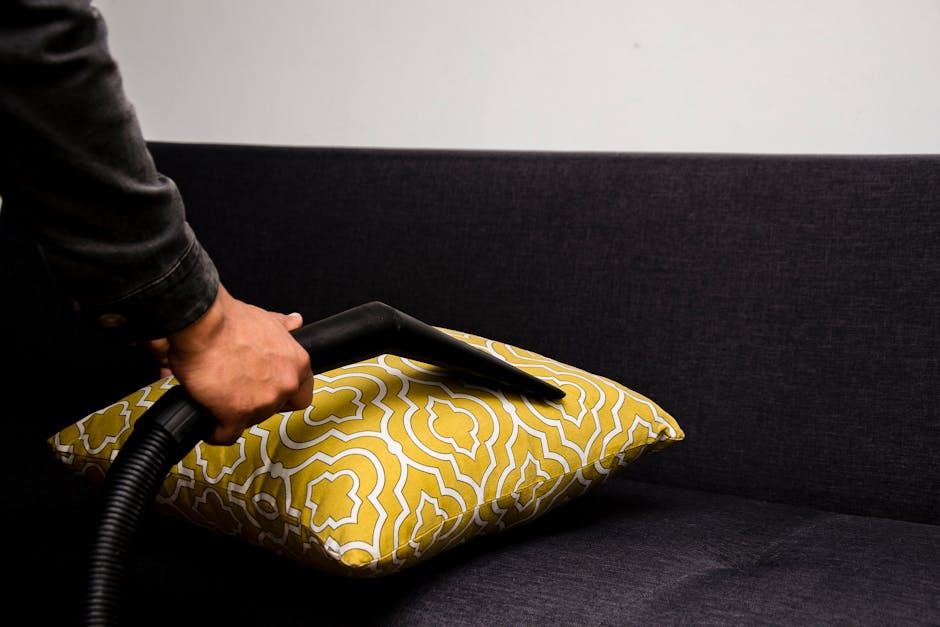
- Vacuum thoroughly before cleaning - dry soil becomes sludge if you skip this step.
- Be honest about delicate fabric - if the item is vintage, silk-blend, or unusually textured, say so early.
- Ask for drying guidance in plain English - you want practical advice, not a vague shrug.
- Keep pets off the furniture after cleaning - at least until it is fully dry, unless you enjoy paw prints. Not ideal.
Another useful point: don't over-clean a piece just because it looks a bit dull. Sometimes a full wet clean is the right call; sometimes a lighter maintenance clean is enough. A good cleaner should tell you the difference. That is part of the service, really.
If your property is near Green Lanes or you are moving around the wider N4 area, the local context can matter. Busy roads, ventilation patterns, and day-to-day grime all affect how often upholstery needs attention. Our Green Lanes carpet cleaning guide for Harringay N4 is a helpful companion piece if you are planning a broader clean-up.
Common Mistakes to Avoid
Most upholstery damage does not happen in one dramatic moment. It happens in small misjudged steps. A little too much water, the wrong cloth, a harsh product, or too much rubbing. Easy to do, hard to undo.
Here are the errors worth avoiding:
- Using too much water - this can leave marks, prolong drying, and in some cases cause odours or wicking, where stains reappear as the fabric dries.
- Scrubbing aggressively - this may spread the stain and flatten the pile.
- Ignoring the fabric type - what works on polyester can be risky on more delicate fibres.
- Cleaning only the visible stain - spot-cleaning one patch can leave a tide mark.
- Skipping extraction or residue removal - leftover detergent can attract dirt again.
- Forgetting about cushions and seams - grime often settles in the spots people touch most.
There is also a planning mistake people make: waiting until the furniture looks beyond help. To be fair, everyone gets busy. But the longer soil sits in fabric, the more effort it takes to lift. Maintenance is always easier than rescue work.
Tools, Resources and Recommendations
You do not need a cupboard full of specialist products to keep upholstery in decent shape, but a few basic tools make life easier. Good equipment matters, yet technique matters just as much. A cheap product used carefully can beat an expensive one used badly.
| Tool or resource | What it helps with | Best use |
|---|---|---|
| Vacuum with upholstery attachment | Removing loose dust, crumbs, and pet hair | Weekly maintenance |
| Clean microfibre cloth | Blotting small spills without spreading them | Immediate spill response |
| Soft brush | Loosening surface dirt from textured fabric | Before a deeper clean |
| Fabric care label | Identifying cleaning limitations | Before any treatment |
| Professional cleaning service | Deeper stain removal and fabric-safe cleaning | Periodic restoration and maintenance |
In practice, the best resource is a cleaner who will explain what they are doing and why. That does not mean long speeches or technical waffle. It means clear guidance about the fabric, the likely result, and any limitations. A reputable provider should also be able to discuss related services such as carpet cleaning in Harringay or a wider one-off cleaning service if you want the whole room handled together.
Law, Compliance, Standards, or Best Practice
Upholstery cleaning is not heavily regulated in the same way as some trades, but there are still sensible standards and responsibilities that matter. In the UK, any cleaning provider should work carefully, communicate clearly, and use methods that are appropriate for the surfaces being cleaned. That includes being cautious around electrical items, upholstered frames, delicate finishes, and any area where moisture could cause damage.
For customers, the main best-practice considerations are straightforward:
- Ask about insurance - a professional business should be able to explain its cover and working practices.
- Check safety procedures - especially where equipment, water, and detergents are used indoors.
- Expect honest limitations - not every stain can be removed completely, and a trustworthy cleaner will say so.
- Look for fabric-aware methods - the process should suit the material, not force the material to suit the process.
- Respect drying and ventilation advice - it is part of preventing re-soiling and lingering damp.
If you want reassurance about how a business works, it is worth reading supporting pages such as insurance and safety, health and safety policy, and terms and conditions. Those pages help set expectations. They are not the exciting bits, granted, but they matter when you are trusting someone with your home.
Options, Methods, or Comparison Table
Different upholstery fabrics and cleaning situations call for different methods. The table below gives a simple comparison of common approaches. It is intentionally broad, because the safest choice always depends on the item itself.
| Method | Best for | Advantages | Watch-outs |
|---|---|---|---|
| Hot water extraction | Synthetic and many durable fabrics | Deep clean, strong soil removal, good for general refresh | Needs sensible drying time; not ideal for every delicate fabric |
| Low-moisture cleaning | Fabrics that should not be heavily saturated | Faster drying, less water in the structure | May be less effective on heavy embedded soiling |
| Foam or encapsulation | Maintenance cleaning and lighter soil | Quick turnaround, useful for busy spaces | May not lift stubborn stains as deeply |
| Spot treatment | Targeted marks or isolated spills | Good for specific problem areas | Can leave rings if used without blending or full cleaning |
The best option is not always the most aggressive one. Sometimes gentler is better. A velvet chair that looks very forgiving can be the one that punishes haste, while a plain dining bench might take more robust treatment without complaint. That's the sort of detail a local professional should assess on site.
Case Study or Real-World Example
Here is a realistic example from a typical Harringay household. A couple living near Wightman Road had a three-seat sofa and two dining chairs that had accumulated day-to-day marks over winter: mug rings on the armrest area, pet hair in the corners, and a slightly stale smell from closed windows and heating. Nothing dramatic. Just enough to make the room feel less fresh than it should.
Before cleaning, the furniture looked safe enough from a distance, but up close it had that tired, lived-in look that often sneaks up on people. After a careful inspection, the cleaner identified a synthetic blend that could handle a deeper moisture-based clean. The process included dry vacuuming, pre-treatment on the armrest and seat areas, and a more controlled extraction clean. The important part was not magic. It was method.
The homeowners reported that the room felt brighter immediately, especially in the morning light. The sofa no longer held onto that faint old smell, and the chairs matched the cleaner feel of the rest of the room. They did not need new furniture. They needed the existing pieces brought back to life. That is often the real story.
If you are preparing a home for sale or rental, that kind of result can be especially valuable. A room that smells clean and looks looked-after is easier to photograph, easier to view, and simply easier to live in for the meantime. If you like connecting the dots across local life, our blog post on why Harringay is a good place to call home gives a nice sense of the area's everyday character.
Practical Checklist
Use this checklist before you book or carry out upholstery cleaning. It keeps the job simple and avoids those irritating little oversights that can throw everything off.
- Identify each item that needs cleaning.
- Check for fabric labels or manufacturer guidance.
- Note stains, odours, and high-use areas.
- Move small items away from the furniture.
- Vacuum loose debris before the appointment if possible.
- Ask what cleaning method is likely to be used.
- Confirm how long drying is expected to take.
- Ask about any fabric risks or limitations up front.
- Keep pets and children away while the furniture dries.
- Plan enough time for ventilation after cleaning.
Quick expert summary: the best upholstery cleaning is careful, fabric-aware, and realistic. It should improve appearance, reduce odours, and protect the furniture without over-wetting it or pretending every stain can vanish. If the advice feels rushed, vague, or overly certain, ask more questions. A trustworthy cleaner will not mind.
Conclusion
Wightman Road upholstery cleaning services Harringay are about more than tidying up a sofa. They are about restoring comfort, making rooms feel cared for, and protecting the furniture you already rely on every day. Whether you are dealing with a single marked armchair, a family sofa that has seen better days, or a full set of seating before guests, tenants, or clients arrive, the right approach makes a noticeable difference.
The main thing to remember is simple: choose a method that suits the fabric, not just the stain. Be clear about what you need, ask sensible questions, and do not leave the job until the furniture is visibly tired. A well-cleaned sofa is one of those small wins that improves the whole room, quietly but properly.
If you are ready to take the next step, explore our request-a-quote page or get in touch through the contact page for straightforward advice and a tailored price. For a wider view of what we offer locally, you can also browse the Harringay blog and the main upholstery cleaning service page.
Get a free quote today and see how much you can save.